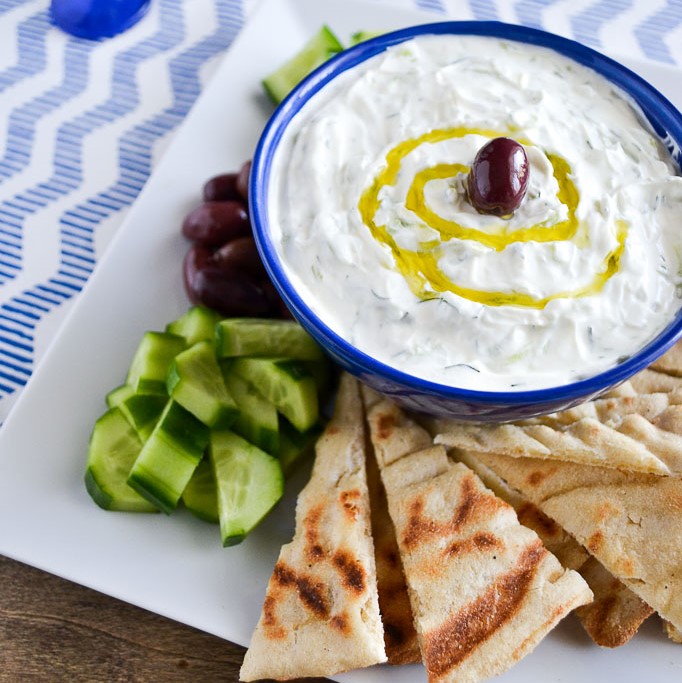
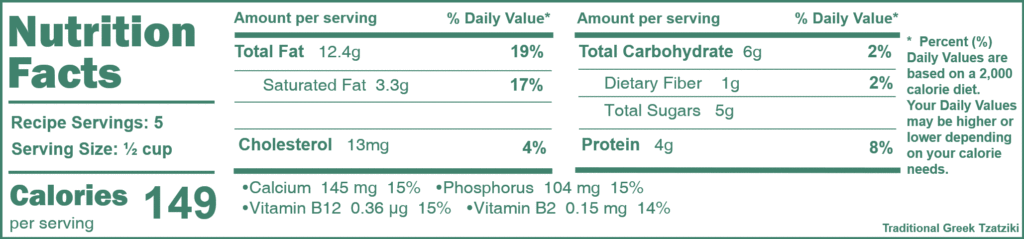
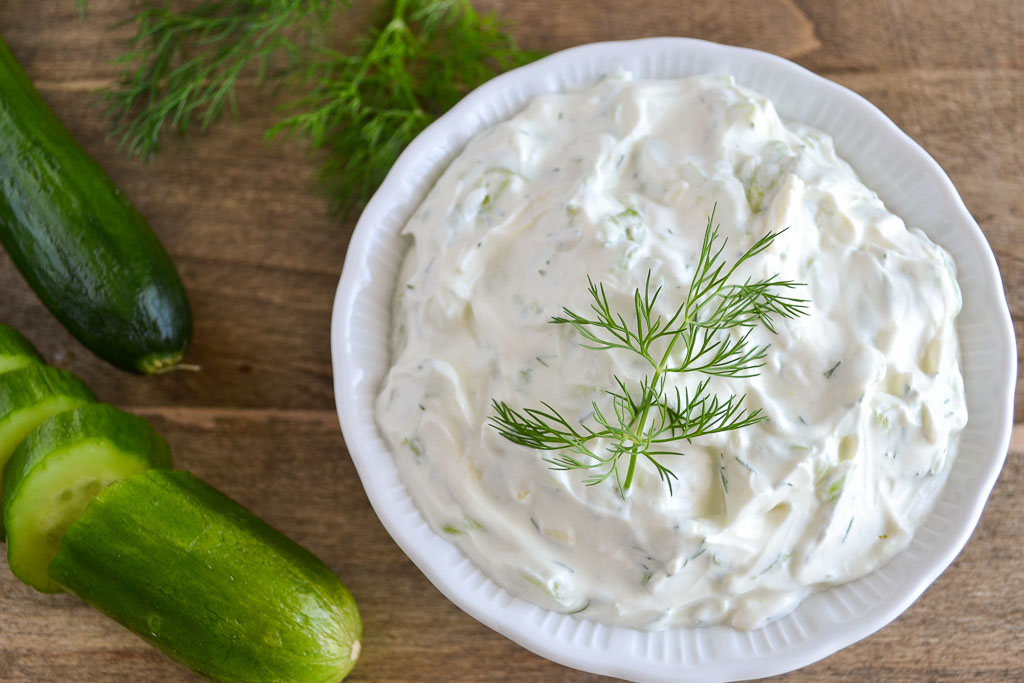
Traditional Greek tzatziki is one of the most famous Greek recipes in the whole world. An ingredient of the equally famous Greek souvlaki and a favorite yogurt dip for many people around the globe. Greek yogurt, one of its main ingredients, is a food well known for its high nutritional value and its benefits on human health. Olive oil and garlic are considered heart-friendly foods because of their beneficial properties on our cardiovascular health.
When tzatziki is homemade, we get the added benefit of eating a food made with carefully selected ingredients, without conservatives and other additives that store-bought products usually contain. It is really easy to make but there are some secrets in the selection of the ingredients and also in the steps of the process that require your attention. So, make sure you read all the details in the recipe below.
How to make traditional Greek tzatziki
Recipe from Eleni@epochwellbeing.com
The authentic, traditional recipe of Greek tzatziki with all the secrets of success.
Extra olive oil, dill and freshly-ground pepper,for garnish (optional)
Instructions
Place yogurt in a medium bowl.
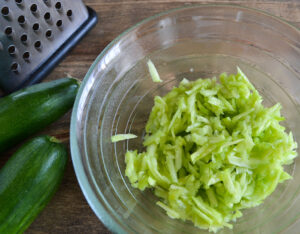
Peel the cucumber and grate it coarsely. It should yield about one cup of grated cucumber.
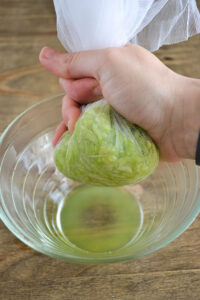
Using a thin towel or piece of tulle or your hands, squeeze as much water as you can out of the grated cucumber.
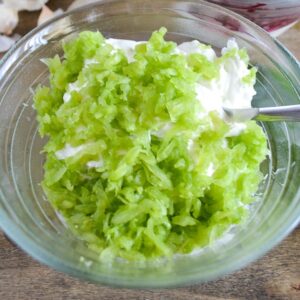
Add the strained cucumber to the yogurt. Add the rest of the ingredients and stir until they are well combined.
Garnish with olive oil, extra dill and freshly-ground pepper and serve.
NOTES
Yogurt: You need full-fat, strained, Greek yogurt to make tzatziki. If you use low-fat strained yogurt, you will be sacrificing its rich texture and taste. Zero-fat strained yogurt or other types of yogurt are not recommended.Cucumbers: We prefer to make tzatziki during spring and summer months, or early autumn at the latest, when cucumbers are in season. We prefer small, locally-grown cucumbers, with no seeds and preferably organic.The traditional recipe uses peeled and grated cucumbers. You can add them without the peel if you like or if you don’t want to waste the fiber, but it will make the next step a little more difficult.Cucumbers are among the vegetables with the highest content in water – about 96%! After we grate them, we need to get rid of as much moisture as we can before adding them to the yogurt. The best way to do this is by squeezing the liquid out, using a piece of tulle or a very thin towel. You may have come across other directions that say you can leave it in a sieve overnight but it won’t be enough and your tzatziki will end up being watery.Garlic: A good thing about tzatziki is that you can experiment with the quantities of the ingredients without messing up the final product. When it comes to garlic, some people like it too hot and spicy and they add lots of it, while others don’t. It’s totally up to personal choice but bear in mind that the garlic taste becomes stronger the longer it stays in the yogurt.Olive oil: If there is one recipe that you need to add pure, extra virgin olive oil, it’s this one. It has a significant role in the rich taste and texture of the authentic Greek tzatziki. I tried to keep the recipe low-fat so that it can be used by everyone, even by people who need to avoid high-fat recipes for health reasons. But if you have no reason to do so, be my guest and add even more olive oil.
Manage Cookie Consent
To provide the best experiences, we use technologies like cookies to store and/or access device information. Consenting to these technologies will allow us to process data such as browsing behavior or unique IDs on this site. Not consenting or withdrawing consent, may adversely affect certain features and functions.
Functional
Always active
The technical storage or access is strictly necessary for the legitimate purpose of enabling the use of a specific service explicitly requested by the subscriber or user, or for the sole purpose of carrying out the transmission of a communication over an electronic communications network.
Preferences
The technical storage or access is necessary for the legitimate purpose of storing preferences that are not requested by the subscriber or user.
Statistics
The technical storage or access that is used exclusively for statistical purposes.The technical storage or access that is used exclusively for anonymous statistical purposes. Without a subpoena, voluntary compliance on the part of your Internet Service Provider, or additional records from a third party, information stored or retrieved for this purpose alone cannot usually be used to identify you.
Marketing
The technical storage or access is required to create user profiles to send advertising, or to track the user on a website or across several websites for similar marketing purposes.